How Spring Weather Impacts Commercial Roof Repair Needs in the Midwest
As winter transitions into spring, commercial property owners across the Midwest often discover roofing issues that were hidden beneath snow, ice, and freezing temperatures. Freeze-thaw cycles, heavy snow loads, and wind-driven rain can accelerate membrane wear, cause flashing separation, and lead to interior leaks.
For facility managers in major metro areas like Chicago and St. Louis, spring is one of the most important times of year to assess roof condition and address needed repairs before storm season intensifies.
Why Spring Reveals Hidden Roof Damage
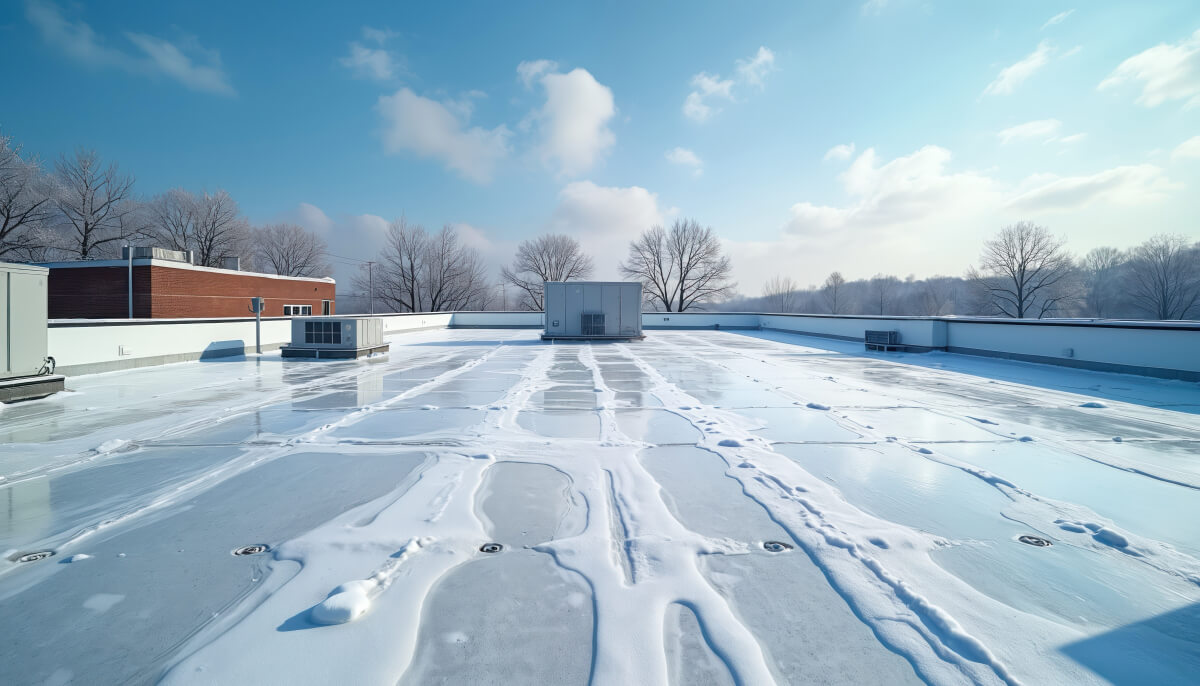
Commercial roofs endure significant stress during winter months. When temperatures fluctuate between freezing and thawing, roofing membranes expand and contract. Over time, this movement can weaken seams, compromise flashing, and allow moisture intrusion.
Common spring roofing issues include:
- Membrane shrinkage or splitting
- Seam separation
- Flashing failure around penetrations
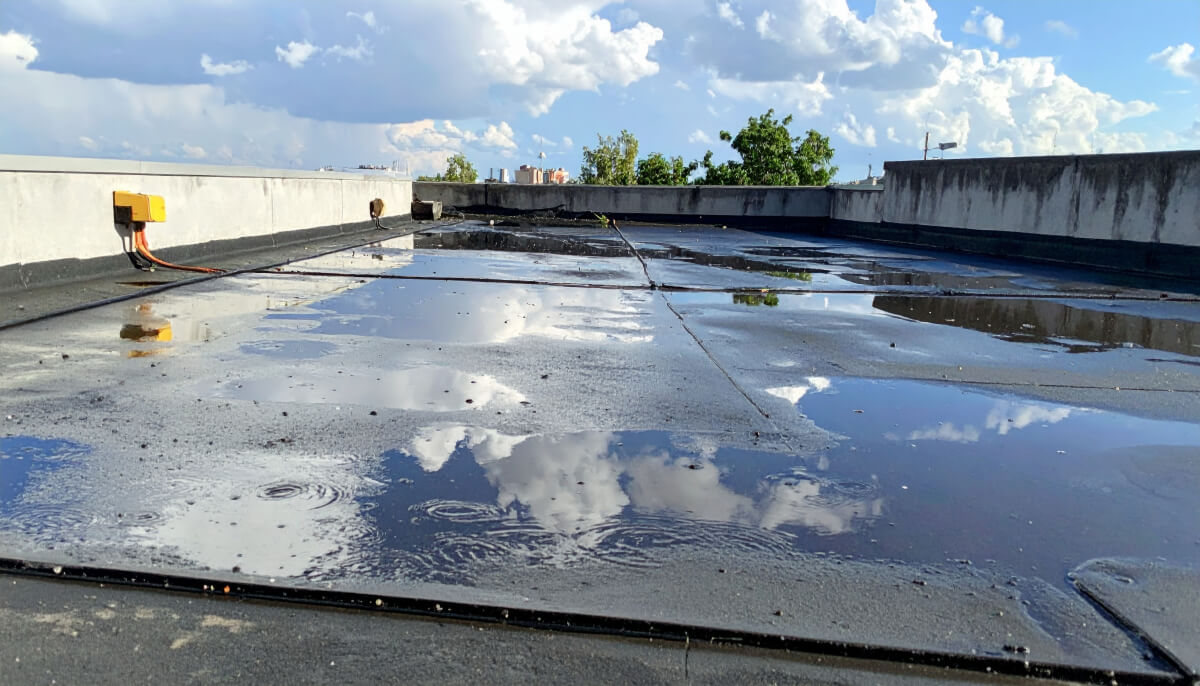
- Ponding water from blocked drains
- Interior staining from slow leaks
Left unaddressed, these problems can escalate quickly once spring storms arrive.
The Importance of Proactive Commercial Roof Repair
Addressing issues early helps avoid operational disruptions and costly interior damage. Rather than waiting for a major leak, property owners benefit from scheduling inspections and making targeted repairs before small issues grow into larger failures.
In larger metro markets such as St. Louis and Chicago, aging flat and low-slope commercial roofing systems are especially vulnerable after prolonged winter conditions.
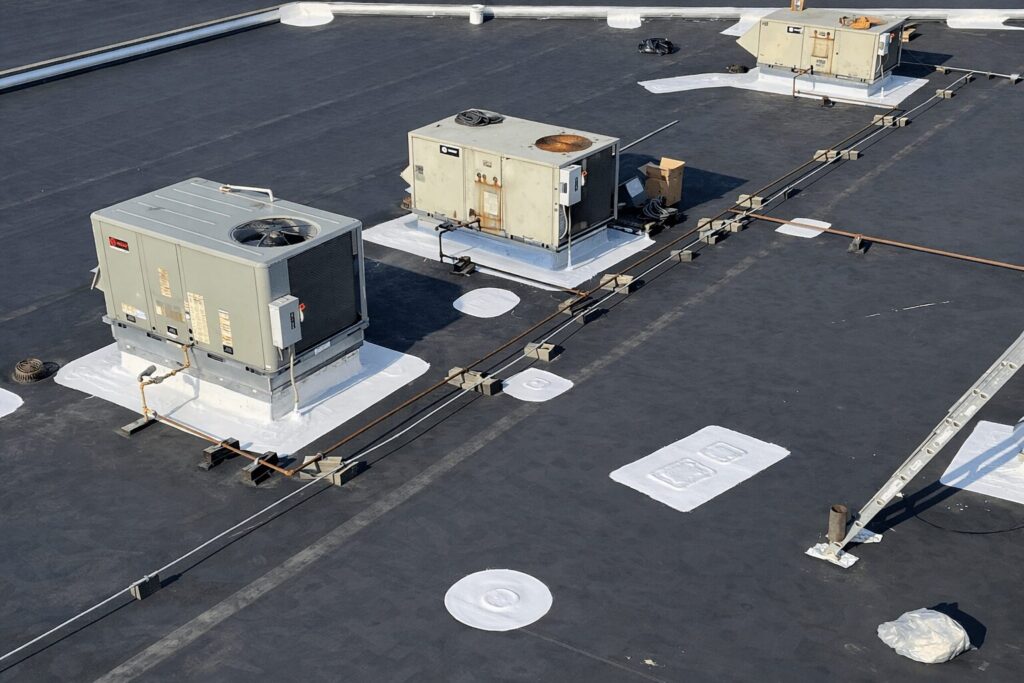
Commercial Roof Repair for Industrial & Commercial Facilities
Warehouses, manufacturing plants, distribution centers, and office complexes depend on reliable roofing systems to protect inventory and maintain operational continuity. Even minor roof damage can lead to:
- Equipment exposure
- Mold or insulation deterioration
- Tenant complaints
- Unexpected downtime
Professional commercial roof repair services focus on identifying root causes, not just surface symptoms.
For example, facilities across the greater St. Louis region frequently experience membrane stress from freeze-thaw cycles, while commercial buildings in the Chicago area often see seam fatigue from heavy snow accumulation and rapid temperature swings.
Signs Your Commercial Roof May Need Spring Repair
- Property managers should watch for:
- Water stains on ceilings or walls
- Bubbling or blistering membrane areas
- Open seams or visible cracks
- Ponding water after rainfall
- Increased energy costs
If any of these issues are present, scheduling a commercial roof repair evaluation before peak storm season can prevent escalation.

Planning Ahead for the Rest of the Year
Spring is also an ideal time to establish a preventive maintenance strategy. Routine inspections and early repairs extend roof lifespan and reduce the likelihood of emergency service calls during summer storm events.
By taking proactive action, commercial property owners in major Midwest markets can protect their assets and maintain uninterrupted business operations.
Schedule a Commercial Roof Repair Evaluation
If your commercial roof has experienced winter wear, storm damage, or signs of aging, now is the time to act. Delaying repairs can lead to interior damage, higher repair costs, and unnecessary operational disruptions.
Reach out today to schedule a free commercial roof repair evaluation. Our experienced team will inspect your system, identify potential risks, and provide a clear, no-obligation estimate so you can move forward with confidence before peak storm season begins.