
Modified Bitumen Roof Repair and Restoration: Extending the Life of Aging Commercial Roofs
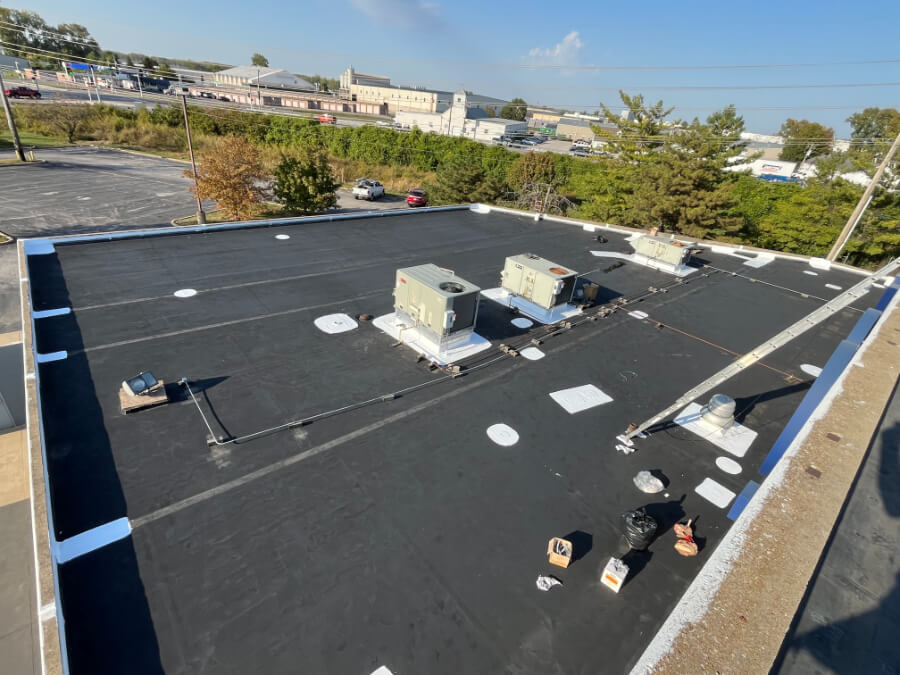
Modified bitumen roofing is a dependable choice for commercial and industrial buildings, offering durable, multi-layer protection against weather, foot traffic, and everyday wear. But even these rugged roofing systems can develop problems over time. Cracking, blistering, deteriorating seams, and recurring leaks can leave building owners wondering whether their roof needs repairs, restoration, or complete replacement.
The good news is that an aging modified bitumen roof doesn't always need to be torn off. Depending on its condition, targeted repairs and professional restoration can help extend its service life while avoiding the expense and disruption of premature replacement.
At Commercial Flat Roof Company, we help property owners throughout the St. Louis and Chicago regions evaluate existing roofs and identify practical commercial roofing solutions that protect their buildings and investments.
Why Modified Bitumen Roofs Develop Problems Over Time
Modified bitumen is an asphalt-based roofing material enhanced with polymers to improve flexibility, strength, and weather resistance. It is commonly installed in reinforced layers on flat and low-slope commercial roofs.
Two primary types of modified bitumen membranes are used in commercial roofing:
- SBS (Styrene-Butadiene-Styrene): A rubber-modified asphalt membrane known for its flexibility and ability to accommodate temperature changes.
- APP (Atactic Polypropylene): A plastic-modified asphalt membrane designed for durability and resistance to heat and weather exposure.
Both systems provide reliable protection when properly installed and maintained. However, years of exposure to sunlight, seasonal temperature changes, standing water, and rooftop activity can gradually affect the roofing membrane and its components. Understanding these issues is the first step toward determining whether modified bitumen roofing can be repaired or restored.
Common Modified Bitumen Roofing Problems
Cracking and Surface Deterioration
As modified bitumen roofing ages, its surface may become brittle or develop cracks, particularly where materials experience repeated expansion and contraction.
Minor surface deterioration doesn't necessarily indicate that the entire roof has failed. However, deeper cracking can compromise waterproofing and create opportunities for moisture intrusion. A professional evaluation can determine whether damaged areas can be repaired or whether broader restoration is needed.
Blistering and Membrane Separation
Blisters appear as raised areas beneath the roofing membrane and may develop when moisture or trapped air expands between roofing layers. Some blisters remain stable, while others can rupture or contribute to additional deterioration. Their significance depends on their size, location, underlying cause, and whether moisture has entered the roofing assembly.
Repair methods may involve removing compromised materials, allowing affected areas to dry where appropriate, and installing compatible replacement membrane sections.
Failing Seams and Overlaps
Modified bitumen roofing relies on properly bonded membrane overlaps to maintain watertight protection. Over time, aging materials, installation deficiencies, or repeated thermal movement can contribute to seam separation. These openings may allow water to enter beneath the roof surface.
Professional commercial roof repairs can address localized seam failures using repair methods compatible with the existing roofing system.
Flashing Deterioration Around Roof Penetrations
Roof penetrations and transitions are common sources of commercial roofing leaks. HVAC units, drains, pipes, parapet walls, and other rooftop components require properly installed flashing to prevent water intrusion. These details can deteriorate as materials age or as equipment is serviced and replaced.
Repairing damaged flashing and reinforcing vulnerable transitions can significantly improve the performance of an otherwise serviceable modified bitumen roof.
Ponding Water and Drainage Issues
Flat and low-slope commercial roofs depend on effective drainage to move water toward drains, scuppers, and other outlets. When drainage is obstructed or roof slopes become inadequate, standing water can place additional stress on seams, flashing, and deteriorated membrane areas.
Although modified bitumen roofing is designed to resist moisture, persistent ponding should be investigated rather than ignored. Drainage corrections may be necessary before completing a larger restoration project.
When Can a Modified Bitumen Roof Be Repaired?
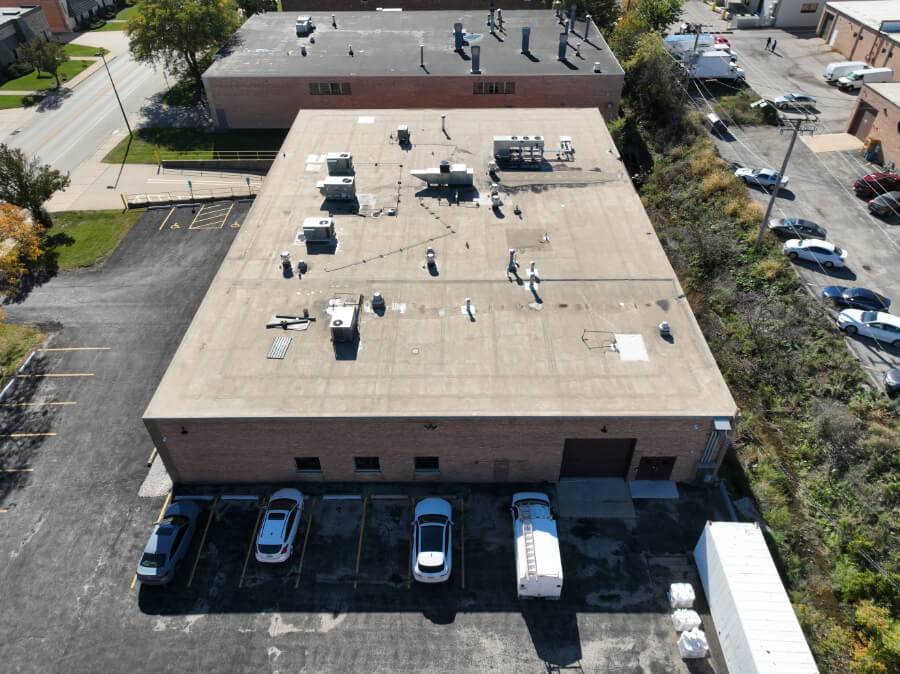
Not every leak or damaged area requires extensive roofing work. If the underlying roofing assembly remains in good condition, localized repairs may provide an effective solution. Common repairable conditions include isolated punctures, damaged flashing, separated seams, and limited membrane deterioration.
The key is identifying the source and extent of the problem. Water can travel beneath roofing materials before appearing inside a building, meaning the visible location of an interior leak may not correspond directly to the damaged area on the roof. A professional inspection helps determine whether repairs will provide lasting protection or simply postpone a more comprehensive solution.
How Commercial Roof Restoration Can Extend Roof Life
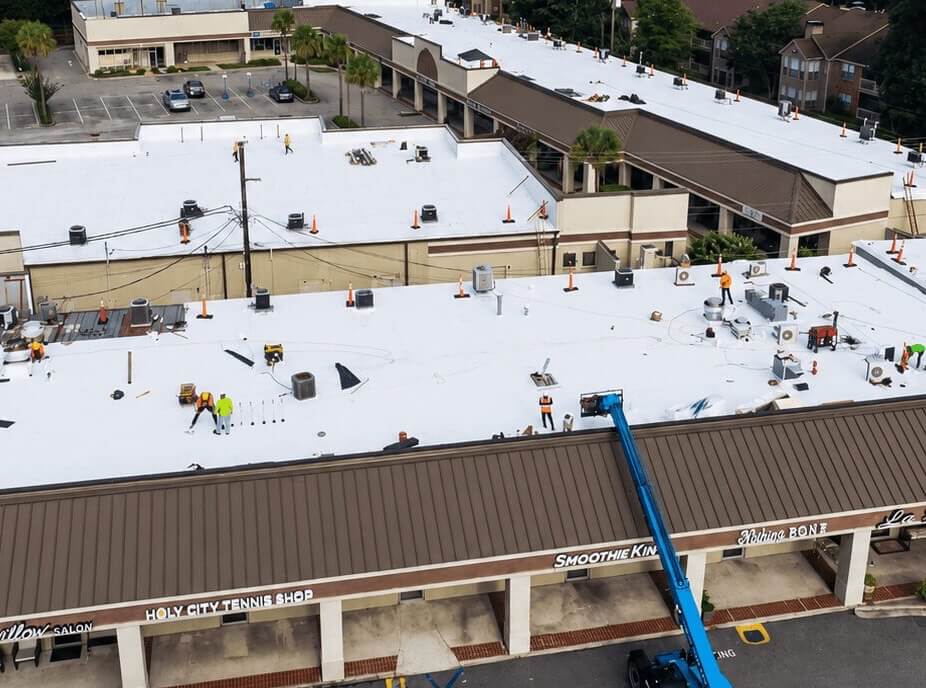
When a modified bitumen roof has experienced widespread surface aging but remains structurally suitable, restoration may offer an alternative to complete replacement. Professional commercial roof restoration focuses on correcting existing deficiencies and improving the performance of the roofing system.
Depending on the roof's condition, the process may include:
- Inspecting the membrane, seams, flashing, and drainage components
- Identifying and addressing areas of moisture intrusion
- Repairing deteriorated or damaged roofing materials
- Reinforcing seams, penetrations, and vulnerable details
- Thoroughly cleaning and preparing the roof surface
- Installing a compatible protective coating system when appropriate
A successful restoration depends heavily on preparation. Applying a new coating over damaged materials or unresolved leaks can allow existing problems to continue beneath the restored surface.
Can Silicone Roof Coatings Restore Modified Bitumen Roofing?
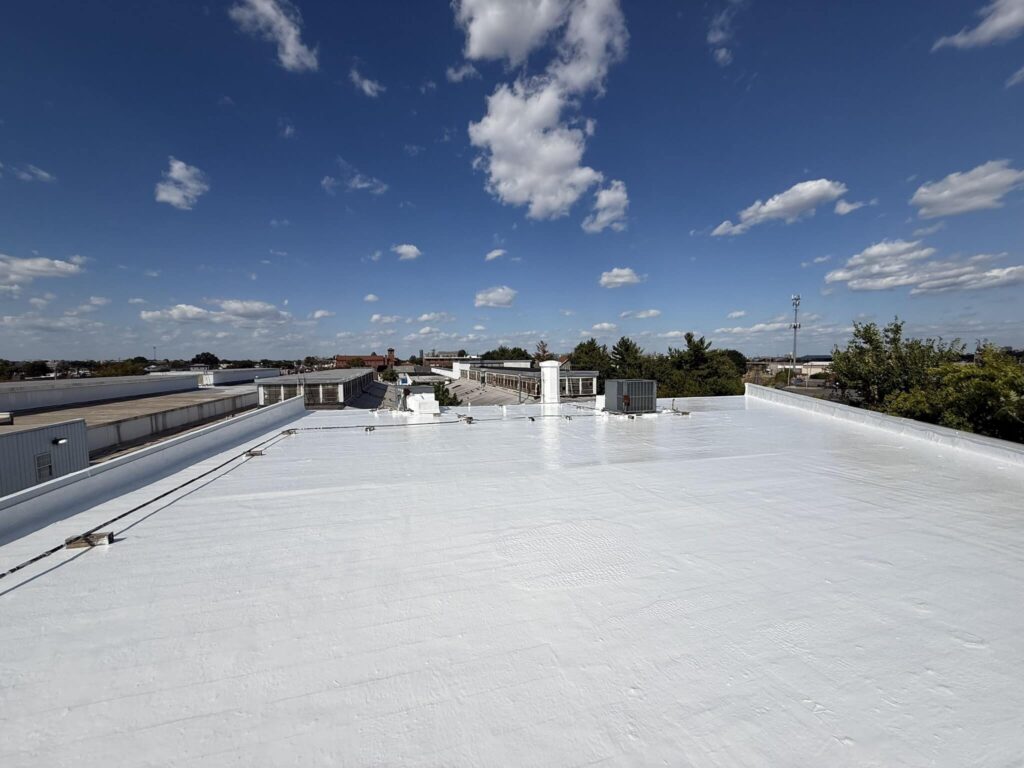
Silicone roof coatings can be an effective restoration option for certain existing modified bitumen roofs. When the roofing assembly is suitable and properly prepared, a compatible silicone coating system can create a protective surface that helps resist weather exposure and water intrusion.
Potential benefits include:
- Extended roof service life: Protecting an existing roof may postpone the need for complete replacement.
- Reduced disruption: Restoration can often be completed with less interruption to building operations than a full tear-off.
- Additional weather protection: Properly installed coatings help protect the roof surface from UV exposure and moisture.
- Improved maintenance opportunities: A restored surface can provide a more manageable foundation for ongoing inspections and repairs.
However, not every modified bitumen roof is a good candidate for silicone restoration. Existing moisture, deteriorated insulation, membrane adhesion, surface contaminants, and coating compatibility must all be evaluated.
Some modified bitumen surfaces require specialized primers or additional preparation to achieve proper coating adhesion. Professional commercial roof coatings should be selected based on the existing roof system and the manufacturer's application requirements, rather than treated as a universal solution.
Real-World Roof Restoration: Lyall, Thresher & Associates
A commercial roof restoration project completed by Commercial Flat Roof Company at Lyall, Thresher & Associates in Elk Grove Village, Illinois, demonstrates how an aging modified bitumen roofing system can be restored rather than immediately replaced.
The approximately 11,250 Sq. Ft. roof had experienced recurring leaks and deteriorating roof details. Instead of continuing with isolated repairs, the project involved thoroughly servicing and reinforcing vulnerable areas, cleaning and preparing the existing roofing surface, and installing a high-solids silicone roof coating system. This approach addressed existing deficiencies while providing renewed protection for the commercial property.
Explore the Lyall, Thresher & Associates commercial roof restoration case study for a closer look at the project.
Roof Repair vs. Restoration vs. Replacement: Which Is Right?
Choosing the right approach depends on the extent of damage, the condition of the roofing assembly, and the building owner's long-term goals.
Roof repair is often appropriate when damage is localized and the surrounding roofing system remains in good condition. Individual leaks, punctures, seam failures, and flashing issues may be addressed without major roofing work.
Roof restoration may be appropriate when the existing roof is aging or experiencing multiple deficiencies but remains suitable for rehabilitation. Restoration typically involves more comprehensive repairs, surface preparation, and potentially a protective coating system.
Roof replacement becomes necessary when the existing system has deteriorated beyond practical repair or restoration. Widespread moisture damage, saturated insulation, severe membrane deterioration, or repeated failures may make commercial roof replacement the more reliable investment.
The best decision should be based on an evaluation of the entire roofing system rather than its age alone.
Preventative Maintenance Helps Protect Modified Bitumen Roofs
Regular maintenance is one of the most effective ways to preserve an existing commercial roofing investment. Modified bitumen roofs should be inspected periodically and after significant weather events, especially when they support HVAC equipment or experience frequent rooftop traffic.
Professional commercial roof inspections can help identify early signs of cracking, blistering, seam separation, flashing deterioration, and drainage problems. Addressing these issues before they develop into significant leaks can help reduce emergency repair costs and extend the useful life of the roof. Building owners should also keep drains clear, limit unnecessary rooftop traffic, and document repairs to support future maintenance decisions.
Extend Your Modified Bitumen Roof's Life With Commercial Flat Roof Company
An aging modified bitumen roof doesn't automatically require replacement. With the right evaluation, targeted repairs, and restoration methods, many commercial roofing systems can continue providing dependable protection. At Commercial Flat Roof Company, we specialize in commercial and industrial roof repair, restoration, coatings, and maintenance throughout the St. Louis and Chicago metropolitan areas.
Our experienced team evaluates existing roofing conditions and recommends practical solutions based on the needs of each building. Whether you're dealing with recurring leaks, deteriorating roof details, or considering silicone roof restoration, we can help determine the most effective path forward.
Contact Commercial Flat Roof Company to schedule a roof evaluation and explore your repair and restoration options.