What Is Flat Roofing? Understanding Commercial Flat Roof Systems
Commercial buildings across the United States rely on commercial roofing systems that are designed for durability, efficiency, and long-term performance. Among the most common solutions is flat roofing, a broad category of roofing systems engineered for commercial and industrial buildings with low-slope roof designs.
Despite the name, flat roofs are not completely flat. They are constructed with a slight slope that allows water to drain properly while providing a practical surface for rooftop equipment, HVAC systems, and maintenance access. Understanding how commercial flat roofing works can help property owners choose the right roofing system for their building and plan for long-term performance.
What Is a Commercial Flat Roof?
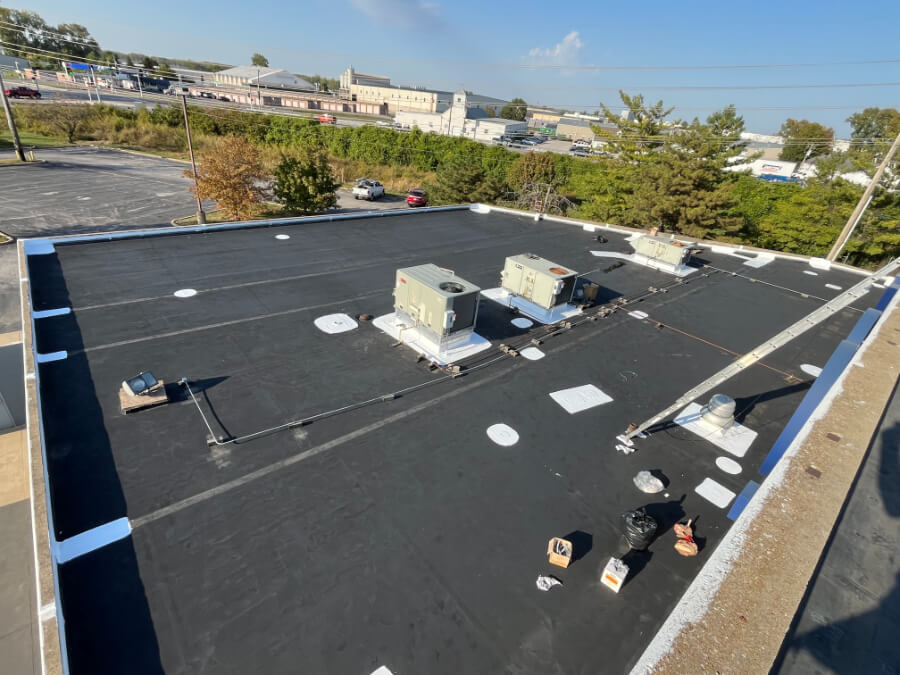
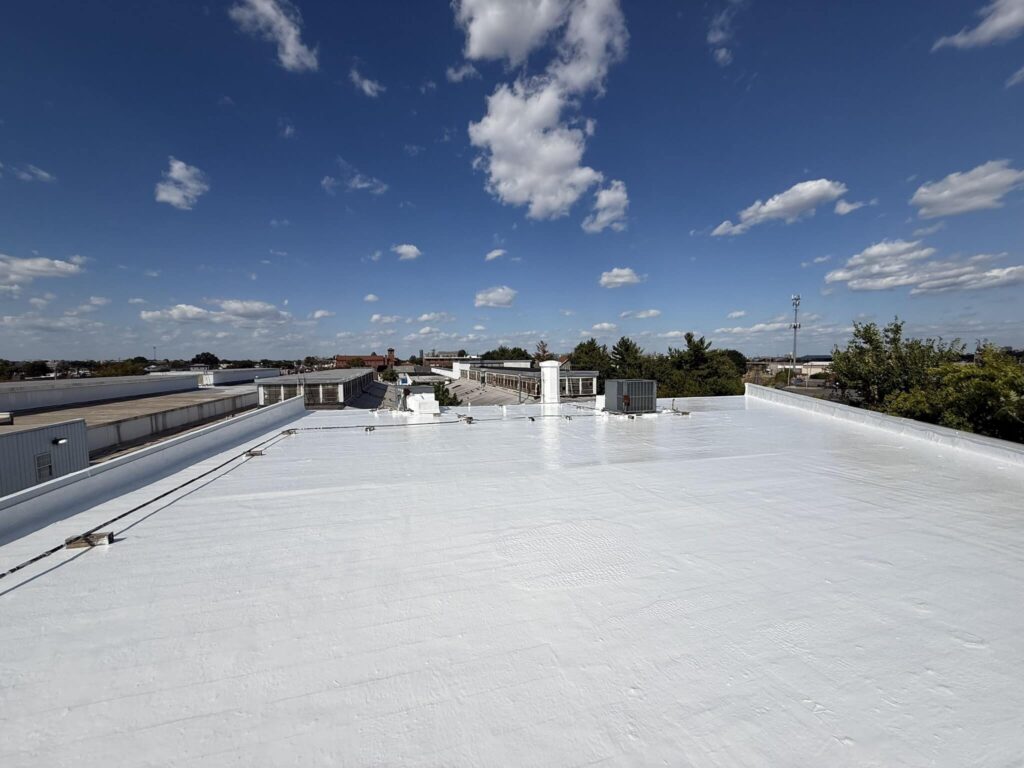
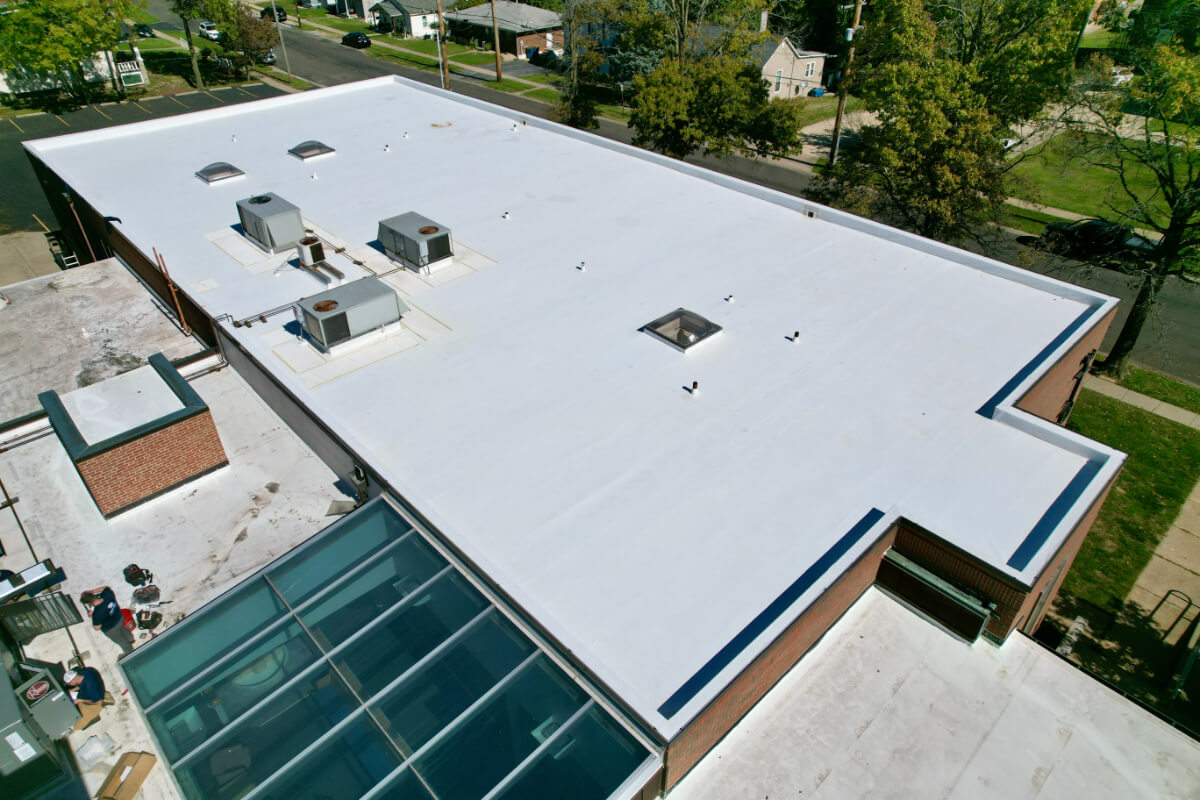
A commercial flat roof is a low-slope roofing system typically installed on commercial, industrial, institutional, and multi-tenant buildings. Compared to steep-slope residential roofs, flat roofing provides easier maintenance access, accommodates large rooftop equipment, and allows for efficient installation across expansive buildings.
Today's commercial flat roofing systems utilize advanced membranes and materials that provide exceptional waterproofing, durability, and energy efficiency.
Why Flat Roofing Is Popular for Commercial Buildings
Flat roofing has become the preferred choice for many commercial buildings because it offers numerous practical advantages.
Benefits include:
- Efficient installation on large buildings
- Easier access for maintenance
- Space for HVAC equipment and utilities
- Excellent long-term performance
- Compatibility with roof restoration systems
- Multiple material options to fit different budgets
- Energy-efficient roofing solutions
These advantages make flat roofing ideal for warehouses, manufacturing facilities, retail centers, office buildings, schools, and healthcare facilities.
Common Types of Commercial Flat Roofing Systems
Several flat roofing systems are commonly used today. Each offers unique advantages depending on the building, climate, budget, and performance goals.
TPO Roofing
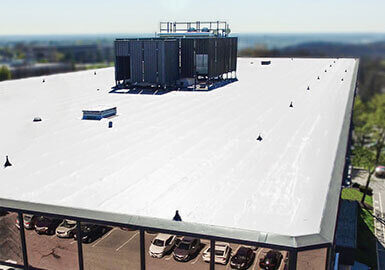
TPO roofing systems remain one of the most popular choices for commercial buildings because they combine durability, reflective energy performance, and strong heat-welded seams. TPO is frequently selected for new construction and roof replacement projects.
EPDM Roofing
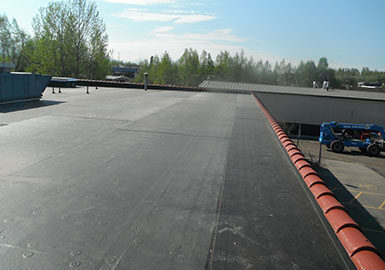
EPDM roofing is a synthetic rubber membrane known for its flexibility and long service life. It performs well in a variety of climates and has been used successfully on commercial buildings for decades.
PVC Roofing
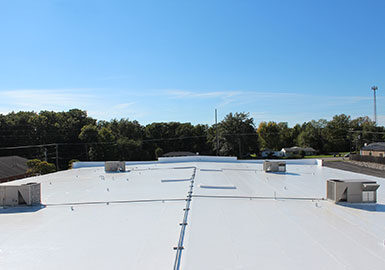
PVC roofing systems provide exceptional chemical resistance and waterproofing, making them a common choice for restaurants, manufacturing facilities, and buildings exposed to grease or industrial contaminants.
Modified Bitumen Roofing
Modified bitumen roofing combines multiple layers of asphalt-based materials to create a durable roofing system capable of withstanding heavy foot traffic and changing weather conditions.

Built-Up Roofing (BUR)
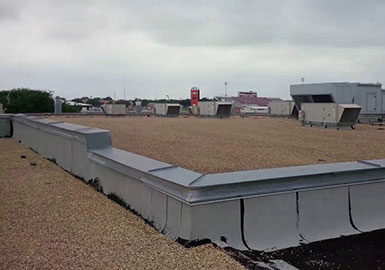
Built-Up Roofing (BUR) has long been a trusted commercial roofing system. Multiple layers of reinforcing materials and asphalt provide dependable waterproofing and long-term durability.
Spray Polyurethane Foam (SPF)
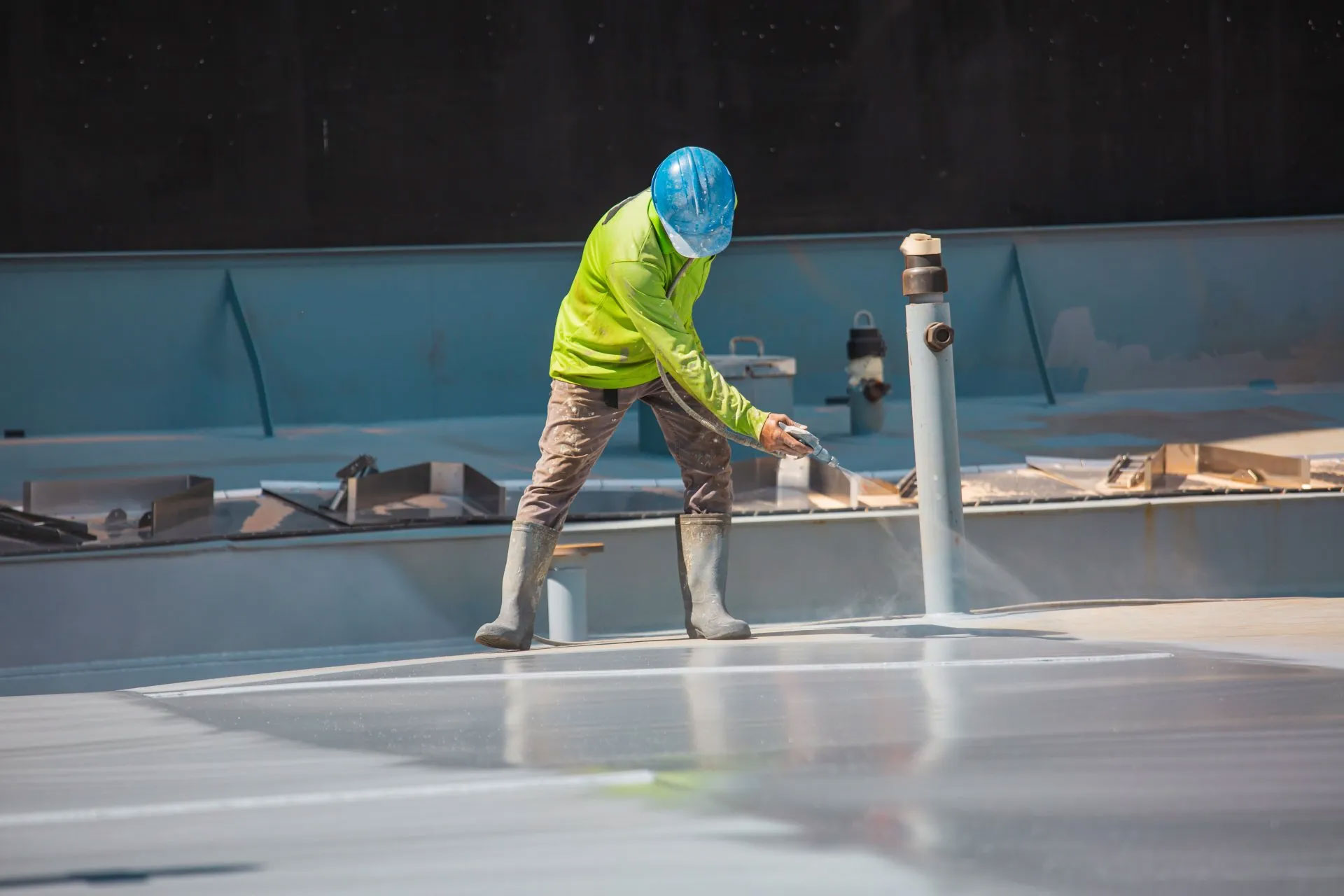
Spray Polyurethane Foam (SPF) roofing creates a seamless insulated roofing system that offers exceptional energy efficiency while reducing air and moisture infiltration.
How Long Does a Flat Roof Last?
The lifespan of a commercial flat roof depends on several factors, including the roofing material, installation quality, maintenance program, weather exposure, and building use.
Many commercial roofing systems can provide decades of reliable service when properly maintained. Regular commercial roof inspections help identify developing issues early, allowing property owners to maximize roof life and avoid costly repairs.
Maintaining a Commercial Flat Roof
Routine maintenance is one of the most effective ways to extend the life of a flat roofing system.
A proactive maintenance program should include:
- Annual roof inspections
- Cleaning drains and gutters
- Checking flashing and penetrations
- Repairing minor membrane damage
- Monitoring rooftop equipment
- Addressing ponding water
When small problems are discovered early, professional commercial roof repair services can often prevent more significant damage.
Can Flat Roofs Be Restored Instead of Replaced?
Not every aging flat roof requires complete replacement.
Depending on the condition of the existing roof, some buildings may qualify for commercial roof coatings, allowing property owners to restore weather protection and extend roof life without a full tear-off.
A professional roof evaluation can determine whether restoration or replacement is the most appropriate solution.
Choosing the Right Flat Roofing System
There is no single roofing system that is best for every commercial building.
The ideal solution depends on:
- Building use
- Climate
- Budget
- Energy goals
- Roof traffic
- Existing roof condition
- Long-term maintenance plans
Working with an experienced commercial roofing contractor helps ensure the roofing system matches the specific needs of the building.
Understanding Your Commercial Flat Roofing Options
Flat roofing continues to be the preferred solution for commercial and industrial buildings because it offers durability, versatility, and long-term value. With several roofing systems available, understanding the strengths of each option allows property owners to make informed decisions that protect their investment.
At Commercial Flat Roof Company, we help businesses throughout the Midwest evaluate flat roofing systems, perform inspections, and recommend solutions based on each building's unique needs. Whether you're planning a new installation, exploring restoration, or preparing for replacement, our experienced team can help you choose the right roofing system with confidence.